La Via Francigena - in the swiss and Italian Alps
|
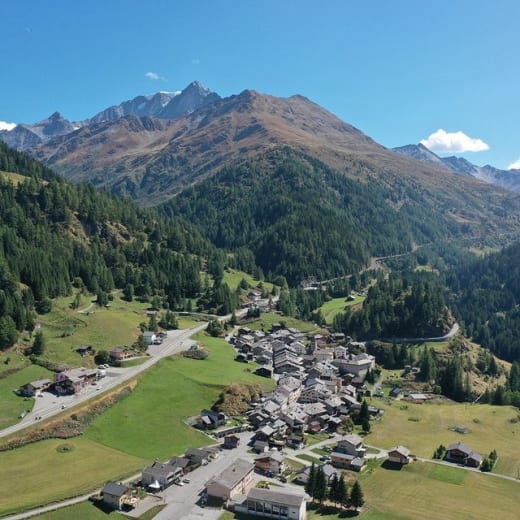
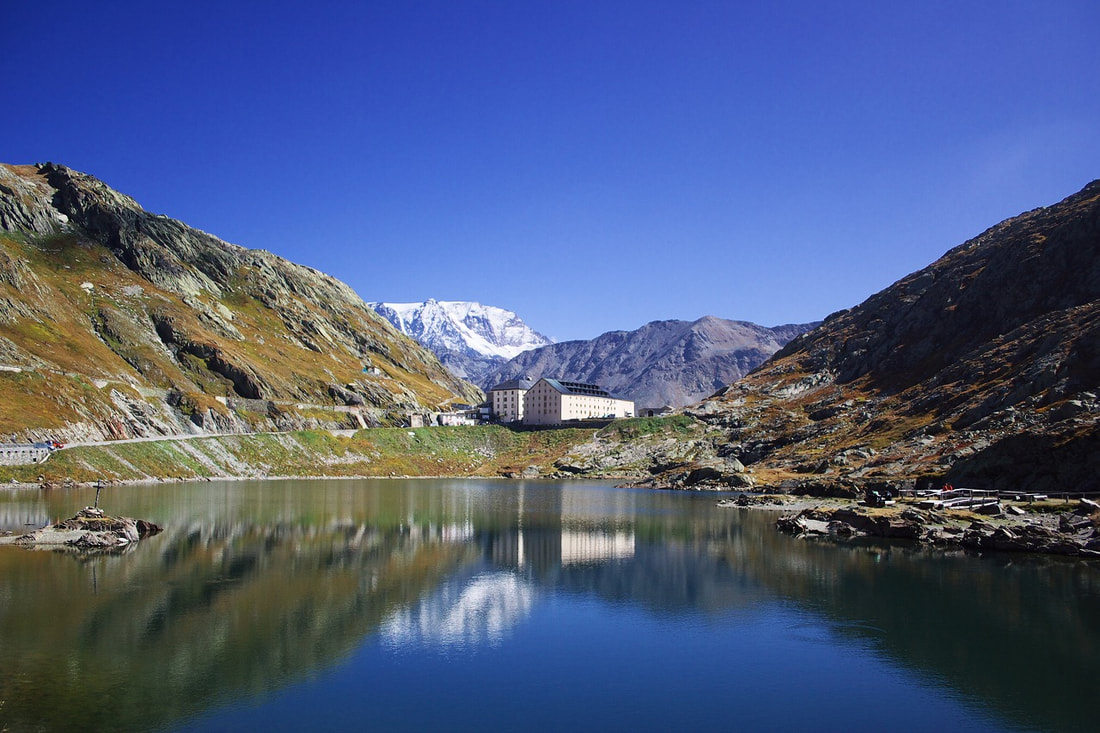
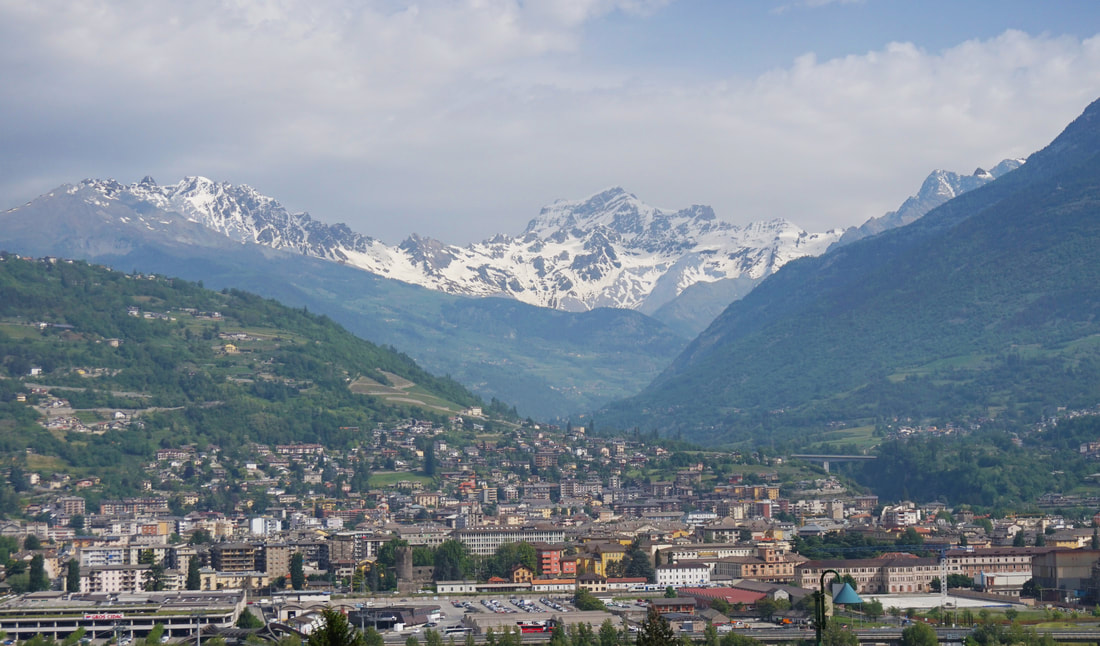
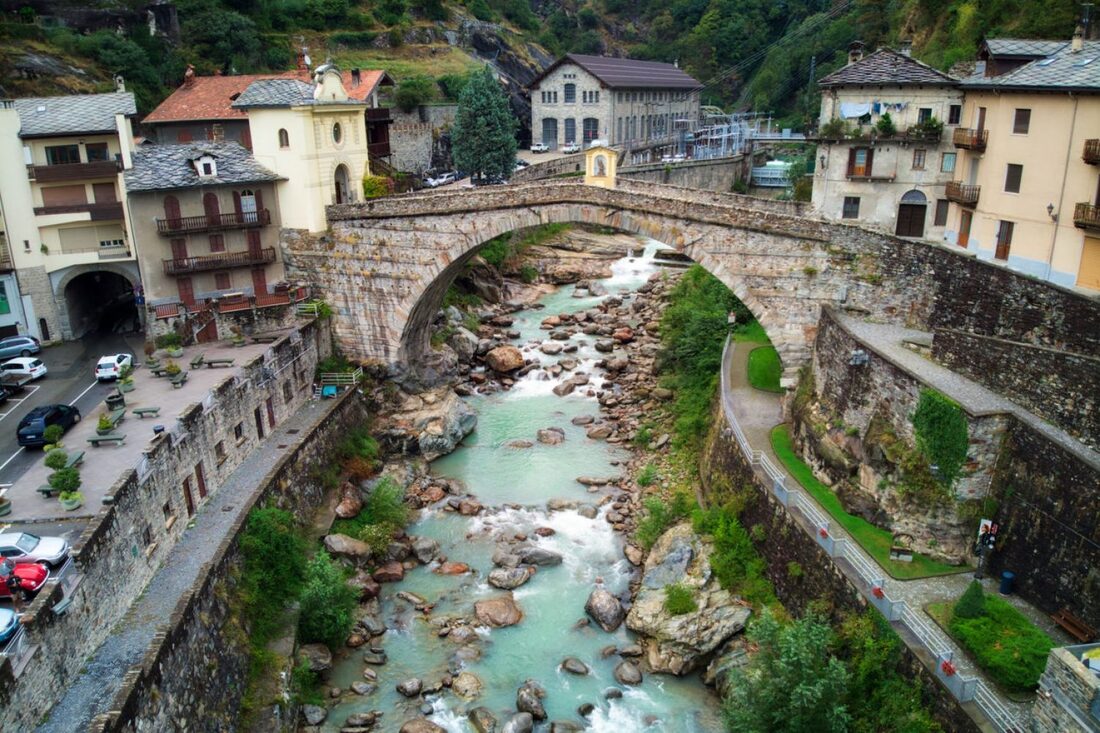
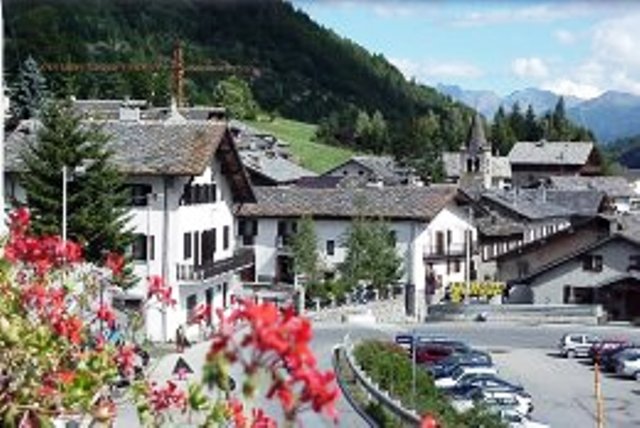
La Via Francigena in the Swiss & Italian Alps 16 - 25 June 2024 10 day accompanied walk from La Douay to Pont St Martin Cost: €1 495 in shared rooms - €480 single supplement: Luggage transfers included ITINERARY Day Place KM 1 Meet in La Douay 2 Walk to Liddes 8 3. Bourg St Pierre 8 4 Gr St Bernard Pass 11.5 5 Etroubles 13.5 6 Aosta 16 7 Nus 15 8 St Vincent 17 9 Arnad 17 10 Pont St Martin 12 PLEASE NOTE: We have specifically reduced the stages to suit people who are fit walkers but who prefer to take their time and walk at a slower pace. Walking shorter stages might not suit ultra-fit mountain hikers or race walkers who can hike double the daily distances! There is no technical hiking or mountaineering involved on this walk although hiking poles are recommended. You will need to be reasonably fit and able to walk an average 15 km per day, which includes two days of steep ascents to the Gr St Bernard Pass and undulating trails into the Aosta Valley. The Saint Bernard dogs still live at the hospice at the Gr Saint Bernard Pass, a shelter founded in the Middle Ages, led by Augustinian monks. The hospitality of the monks is legendary. The Saint Bernard dogs have been bred on this Alpine pass by the monks, first with the attribute of being able to carry loads, later also as an avalanche search dog. The most renowned and legendary of these dogs, Barry, is supposed to have saved the lives of over 40 people. You can visit the dogs in ther kennels behind the hospice. The walk down into the Aosta Valley includes steep descents to Pont St Martin. The trails shadow the road so if you have any difficulty on the paths you can walk on the roads to each town and village. Sunrise is around 05h50 and sunset at 21h30 so you have lots of time to reach your destination without rushing. The trail is on often on mountain tracks, stones, gravel, riverine trails and asphalt paths which, although not technically difficult but require a moderate level of fitness. With this in mind, we have had many people between the ages of 60 and 75 walking this section in our groups. Its not an age thing - its up to you to do the training! You need to train on hills! If there are no hills near to you to train on, use the stairs in your local shopping mall, public buildings or underground, or at the gym on a treadmill or StairMaster. |
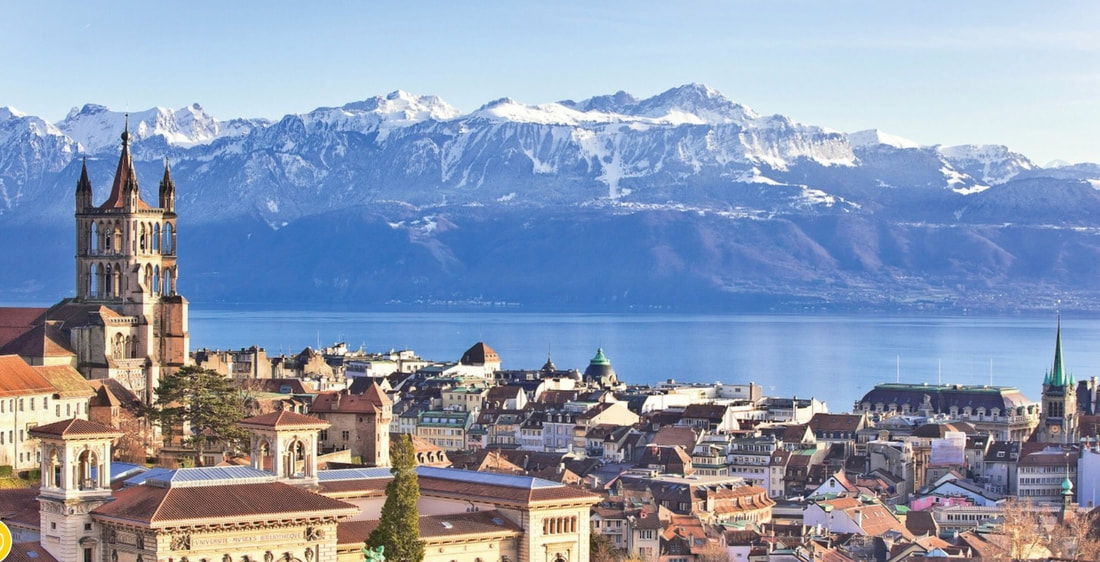
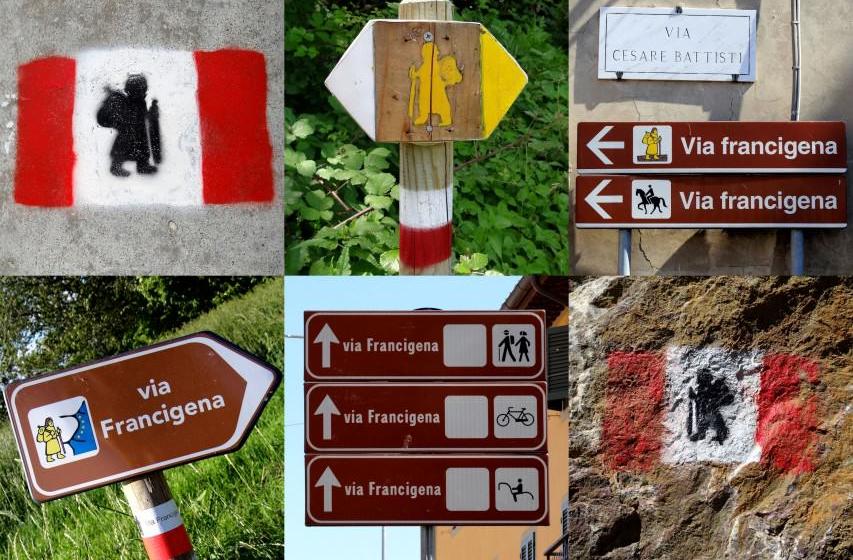
You can get a train from Lausanne, Vevey or Montreux to La Douay. Kathy, your group leader will be in Lausanne for two days before the walk. If you would like to travel with her to La Douay, she will book tickets for the group to travel on the train. Getting there: From European countries and Britain, you can fly to Lausanne. There are International flights to Geneva. From there you can take a train or lake cruise to Lausanne. www.sncf-connect.com www.lake-geneva-switzerland.com/ In the Middle Ages multitudes of pilgrims, soldiers, merchants and travellers used a system of roads known as the “Via Francigena” – or roads of the Franks - to travel from England and other northern countries to Rome. The bishops of Canterbury used the road to travel to Rome to receive their pallium or stole of office from the Pope when they became Archbishops. In 994 AD Archbishop Sigeric’s clerks kept a diary of his return journey to Enlgland titled 'From Rome to the Channel'. In the 1990s the diary was discovered by Italian researchers and is now in the British Museum. The Archbishop's descriptions of places along the route proved to be very accurate and generated academic research, tourism promotion and restoration of the actual route for modern walkers. In 1994 the Council of Europe designated the Via Francigena as a 'European Cultural Itinerary.' As religious and cultural tourism grows in popularity, modern day pilgrims once again walk the old pilgrim roads to Santiago in Spain, Jerusalem in the Holy Land, nd to Rome.” Quote from ‘La Via Francigena, Five Pilgrims to Rome RESOURCES Pilgrim passport and guide book www.sloways.shop/en/product/guida-piu-credenziale-en/ English Guidebooks Lightfoot Guides – Paul Chinn and Babette Gallard http://pilgrimagepublications.com/pp_2014/via-francigena/ Via Francigena Pilgrim Trail - Sandy Brown www.amazon.com/Via-Francigena-Canterbury-Rome-Cicerone/dp/1852846070 Italian (and English edition) La Via Francigena 1000km a Piedi dal Gran San Bernardo a Roma : 2020 http://libri.terre.it/libri/collana/21/libro/543/La-Via-Francigena.-1000-km-a-piedi-dal-Gran-San-Bernardo-a-Roma. Useful Websites: www.pilgrimstorome.org.uk/ http://www.viefrancigene.org/en Download APP https://www.facebook.com/groups/19899007360/ 
| ||||